


The integration of robust and responsive Information Technology is no longer a luxury but a critical imperative for modern healthcare organizations. From electronic health records (EHRs) and telemedicine platforms to medical imaging and patient portals, technology underpins nearly every aspect of patient care, operational efficiency, and data security. However, managing this complex IT infrastructure in-house can be a significant drain on resources, expertise, and capital, especially for smaller practices or those with limited IT personnel. This is where the strategic adoption of Managed IT Services (MSPs) becomes a game-changer, offering specialized expertise, proactive support, and cost-effective solutions to ensure seamless technological operations and elevate patient care.
Healthcare IT is a rapidly evolving landscape, characterized by increasing reliance on digital systems, stringent regulatory demands, and a constant threat of cyberattacks. For healthcare providers, ensuring the uninterrupted availability, security, and optimal performance of their IT infrastructure is paramount. Downtime in a healthcare setting can lead to delayed diagnoses, compromised patient safety, and significant financial losses. Furthermore, the sheer complexity of healthcare IT, encompassing specialized clinical software, intricate network configurations, and vast amounts of sensitive patient data, requires a level of expertise that many organizations struggle to maintain internally.
Managed IT Services offer a comprehensive solution to these challenges. Instead of relying on reactive, break-fix IT support, healthcare organizations can partner with specialized MSPs to proactively manage, monitor, and maintain their entire IT ecosystem. This partnership allows healthcare professionals to focus on their core mission – delivering exceptional patient care – while entrusting their technological infrastructure to experts. MSPs leverage their deep understanding of healthcare-specific technologies and regulatory requirements to provide tailored solutions that optimize operations, enhance security, and drive innovation.
Navigating Key Challenges in Healthcare IT
The healthcare industry faces a unique set of IT challenges that demand specialized attention. Without a proactive and expert approach, these issues can significantly impede an organization’s ability to function effectively and securely.
Data Security and Compliance Demands
The Protected Health Information (PHI) managed by healthcare organizations is among the most sensitive data, making it a prime target for cybercriminals. Maintaining compliance with regulations like the Health Insurance Portability and Accountability Act (HIPAA) is not merely a legal requirement but a fundamental ethical obligation.
- HIPAA Compliance: Adhering to HIPAA’s Privacy and Security Rules requires robust technical safeguards, administrative policies, and physical security measures. This includes encrypting data, implementing access controls, conducting regular risk assessments, and ensuring Business Associate Agreements (BAAs) are in place with all third-party vendors handling PHI.
- Cybersecurity Threats: The threat landscape is continuously evolving, with ransomware attacks, phishing scams, insider threats, and advanced persistent threats (APTs) posing significant risks. Healthcare organizations are particularly vulnerable due to the critical nature of their services, making them more susceptible to ransom demands.
- Evolving Regulatory Landscape: Healthcare IT regulations are not static. Staying abreast of updates and ensuring continuous compliance requires ongoing vigilance and expertise.
Operational Efficiency and System Uptime
Downtime in a healthcare setting can have severe consequences. Any interruption to EHR systems, diagnostic equipment, or communication platforms can directly impact patient care, leading to scheduling issues, delays in treatment, and potential adverse events.
- System Interoperability: Integrating disparate healthcare IT systems, from EHRs and PACS (Picture Archiving and Communication Systems) to billing software and laboratory information systems, is a persistent challenge. Lack of seamless interoperability can create data silos, hinder workflows, and reduce overall efficiency.
- Hardware and Software Lifecycle Management: Keeping aging hardware and outdated software systems functional and secure is a constant battle. These systems are more prone to failures and security vulnerabilities, requiring significant investment in maintenance and timely upgrades.
- Scalability and Growth: As healthcare organizations grow or adopt new technologies like telemedicine, their IT infrastructure must be able to scale accordingly. Inadequate scalability can lead to performance bottlenecks and an inability to support new initiatives.
Cost Management and Resource Constraints
Many healthcare organizations operate under tight budgets, making it challenging to allocate sufficient resources for IT staffing, training, and cutting-edge technology.
- Talent Acquisition and Retention: The demand for skilled IT professionals, especially those with healthcare-specific knowledge, far outstrips the supply. Recruiting and retaining such talent can be expensive and time-consuming.
- Capital Expenditure: Investing in new hardware, software licenses, and cybersecurity solutions represents a significant capital outlay, which can be prohibitive for many organizations.
- Reactive IT Support: Relying on in-house IT staff for break-fix issues can lead to a reactive approach where problems are only addressed after they occur, resulting in costly downtime and inefficient resource allocation.
Industry Best Practices for Healthcare IT

To address these pervasive challenges, adopting industry best practices is crucial. These practices, when implemented effectively, lay the groundwork for a secure, efficient, and resilient IT infrastructure.
Proactive Threat Management and Cybersecurity Strategies
A shift from reactive defense to proactive threat mitigation is essential in healthcare IT. This involves a multi-layered approach to cybersecurity that anticipates and neutralizes threats before they can impact operations.
- Endpoint Security: Protecting individual devices, from workstations and laptops to mobile phones and IoT medical devices, with advanced anti-malware, endpoint detection and response (EDR) solutions, and robust patching strategies.
- Network Security: Implementing firewalls, intrusion detection/prevention systems (IDPS), virtual private networks (VPNs), and regular network vulnerability assessments to safeguard the network perimeter and internal traffic.
- Data Encryption: Encrypting data both in transit (e.g., using TLS/SSL for web traffic, VPNs for remote access) and at rest (e.g., full-disk encryption, database encryption) to protect PHI from unauthorized access.
- Regular Security Awareness Training: Educating all staff, from clinicians to administrative personnel, about cybersecurity risks, phishing tactics, and secure data handling practices is a critical human firewall.
- Incident Response Planning: Developing and regularly testing a comprehensive incident response plan to ensure a swift and effective reaction in the event of a security breach or system outage.
Robust Data Management and Disaster Recovery
Ensuring the availability and integrity of patient data is paramount. This requires meticulous data management practices and well-defined disaster recovery plans.
- Regular Data Backups: Implementing a comprehensive backup strategy, including frequent, incremental, and full backups, with offsite and cloud storage options to protect against data loss.
- Disaster Recovery (DR) and Business Continuity Planning (BCP): Developing and testing detailed DR/BCP plans that outline how systems and operations will be restored in the event of a disaster, such as natural catastrophic events, cyberattacks, or hardware failures.
- Data Archiving and Retention: Establishing clear policies for data archiving and retention in accordance with legal and regulatory requirements, ensuring that historical data is accessible when needed for audits or research.
- System Monitoring and Performance Optimization: Continuously monitoring system performance, identifying bottlenecks, and implementing optimizations to ensure smooth operation and responsiveness, especially critical for real-time clinical applications.
Strategic IT Infrastructure Planning and Modernization
A well-planned IT infrastructure is the backbone of effective healthcare delivery. This involves forward-thinking strategies for acquiring, managing, and upgrading technology.
- Cloud Adoption: Leveraging cloud services (e.g., Microsoft Azure, AWS, Google Cloud) for scalability, flexibility, secure data storage, and cost-efficiency for various healthcare applications.
- Virtualization: Employing server and desktop virtualization to improve resource utilization, simplify management, and enhance disaster recovery capabilities.
- Unified Communications: Integrating communication tools like VoIP, instant messaging, and video conferencing to streamline internal and external communication, benefiting patient engagement and care coordination.
- Remote Access Solutions: Implementing secure and reliable remote access solutions to enable telehealth, remote work for staff, and access to critical data from any location.
Understanding Compliance Factors: HIPAA, Cybersecurity, and Beyond
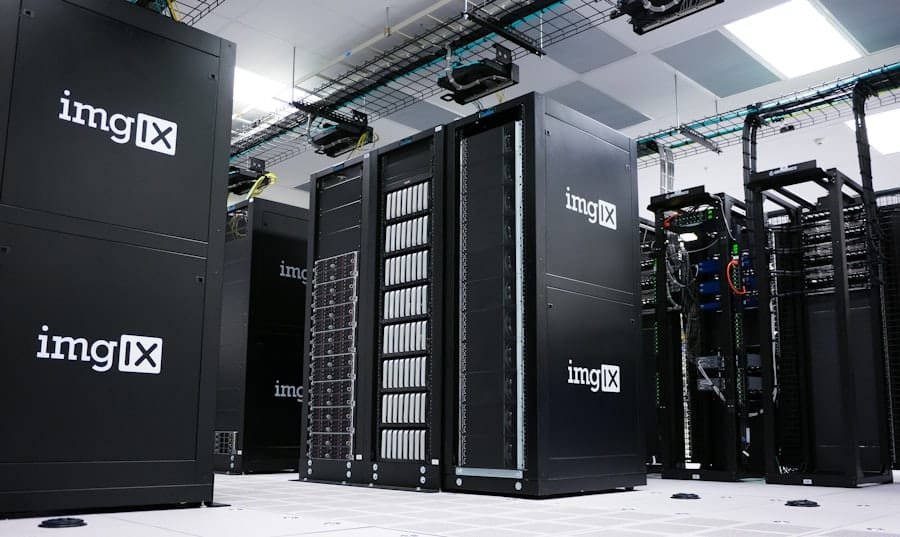
For healthcare organizations, IT compliance is not an optional add-on; it is a foundational requirement. Failure to comply with regulations can result in severe penalties, reputational damage, and loss of patient trust.
HIPAA Enforcement and Implications
The Health Insurance Portability and Accountability Act (HIPAA) sets the standard for protecting sensitive patient health information. Its Security Rule mandates specific administrative, physical, and technical safeguards.
- Technical Safeguards: This includes access control, audit controls, integrity measures, and transmission security. For example, implementing strong password policies, multi-factor authentication (MFA), and encrypting data in transit and at rest.
- Administrative Safeguards: This involves conducting regular risk assessments, developing security awareness training programs, and implementing security management processes.
- Physical Safeguards: This covers facility access controls, workstation security, and the proper disposal of electronic media.
- Business Associate Agreements (BAAs): Any third-party vendor that handles PHI on behalf of a healthcare provider must have a BAA in place, outlining their responsibilities for protecting that data.
- Breach Notification Rule: In the event of a breach of unsecured PHI, healthcare organizations are required to notify affected individuals, the Department of Health and Human Services (HHS), and sometimes the media. Fines for HIPAA violations can range from \$100 to \$50,000 per violation, with annual maximums reaching \$1.5 million per violation type.
Cybersecurity as a Compliance Pillar
Cybersecurity is inextricably linked to HIPAA compliance. Robust cybersecurity practices are essential to meet the technical and administrative safeguards required by the act.
- Risk Management Framework: Establishing a framework for identifying, assessing, and mitigating cybersecurity risks is crucial. This often involves regular penetration testing and vulnerability scanning.
- Phishing and Social Engineering Defense: Training staff to recognize and report phishing attempts, which are a common entry point for cyberattacks, is a vital component of both cybersecurity and HIPAA compliance.
- Intrusion Detection and Prevention Systems (IDPS): Implementing IDPS to monitor network traffic for malicious activity and to block or alert on potential intrusions is a key defense mechanism.
- Data Loss Prevention (DLP): Utilizing DLP solutions to prevent sensitive data from leaving the organization’s network or being accessed inappropriately.
- Third-Party Risk Management: Vetting all vendors and partners for their security posture and ensuring they meet compliance requirements, especially when they have access to PHI.
Emerging Regulatory Considerations
Beyond HIPAA, healthcare organizations must also be aware of other evolving regulatory and industry standards.
- HITECH Act: This act strengthened HIPAA’s enforcement provisions and introduced stricter breach reporting requirements.
- State-Specific Regulations: Many states have their own data privacy and security laws that may be more stringent than federal requirements.
- Medical Device Security: With the proliferation of connected medical devices, ensuring their security and compliance with evolving standards is becoming increasingly critical.
- Patient Data Access Rights: Regulations are increasingly focusing on patients’ rights to access and control their health data, necessitating secure and user-friendly patient portals.
How Managed IT Services Provide Solutions for Healthcare
| Company Name | Location | Services Offered | Customer Reviews |
|---|---|---|---|
| Tech Solutions Inc. | City A | Network management, IT support, cloud services | 4.5/5 |
| IT Experts LLC | City B | Managed IT services, cybersecurity, data backup | 4.8/5 |
| Proactive IT Management | City C | IT consulting, help desk support, server management | 4.3/5 |
Managed IT Services are uniquely positioned to address the multifaceted challenges faced by healthcare organizations. By outsourcing IT management to specialized MSPs, healthcare providers can gain access to expertise, advanced technologies, and proactive support, leading to significant improvements in efficiency, security, and cost-effectiveness.
Proactive Monitoring and Predictive Maintenance
MSPs employ sophisticated tools and strategies for continuous monitoring of IT infrastructure. This allows them to identify potential issues before they escalate into critical problems.
Real-World Example: Preventing EHR Downtime
A medium-sized medical practice was experiencing frequent, albeit short, disruptions to their EHR system. Their in-house IT team was stretched thin, often relegated to reactive fixes.
- MSPs’ Solution: An MSP implemented a comprehensive monitoring solution that tracked server performance, network latency, and application health in real-time. They identified a recurring issue with disk I/O on a critical server, which was exacerbated during peak usage hours. Through predictive maintenance, the MSP proactively upgraded the server’s storage, preventing future performance degradation and ensuring continuous EHR availability. This saved the practice from potential patient care disruptions and lost revenue.
Robust Cybersecurity and Compliance Assurance
MSPs bring a deep understanding of healthcare regulations and the latest cybersecurity threats, offering a comprehensive defense strategy.
Real-World Example: Achieving HIPAA Compliance
A small rural clinic struggled to keep pace with the ever-changing HIPAA requirements and faced a significant risk of a data breach due to outdated security measures.
- MSPs’ Solution: The MSP conducted a thorough HIPAA compliance audit, identifying vulnerabilities in the clinic’s network security, data encryption practices, and employee training programs. They implemented advanced endpoint protection, strong multi-factor authentication for all access points, and provided regular, engaging HIPAA compliance training for all staff. The MSP also managed the implementation of secure cloud-based data storage and ensured all vendor contracts included proper BAAs. This proactive approach not only significantly reduced the risk of a breach but also ensured the clinic remained compliant with all HIPAA regulations, avoiding potential penalties.
Cost Optimization and Scalability
MSPs offer a flexible and scalable IT solution that can adapt to the evolving needs of healthcare organizations, often at a more predictable cost than maintaining an in-house IT department.
Real-World Example: Efficiently Scaling for Telemedicine Expansion
A growing specialty clinic decided to rapidly expand its telemedicine services to meet increased patient demand. They recognized their existing IT infrastructure was not equipped for the surge in remote connectivity and data management.
- MSPs’ Solution: The MSP assessed the clinic’s existing infrastructure and seamlessly integrated new, scalable cloud-based solutions for video conferencing, secure patient data transmission, and remote access. They ensured the network could handle the increased bandwidth demands and provided ongoing support for the new telemedicine platforms. This allowed the clinic to launch its expanded telemedicine services quickly and efficiently without the need for significant capital investment in new hardware or a substantial increase in IT staffing.
Expertise and Strategic Guidance
MSPs bring specialized knowledge of healthcare IT trends and best practices, offering invaluable strategic guidance.
Real-World Example: Strategic IT Roadmap Development
A multi-location healthcare group lacked a clear vision for its future IT investments and was struggling to align its technology strategy with its business objectives.
- MSPs’ Solution: The MSP worked with the group’s leadership to develop a comprehensive IT roadmap. This involved assessing current systems, identifying future needs related to patient engagement, data analytics, and potential AI integrations, and recommending cost-effective solutions. The MSP became a trusted advisor, guiding the group through technology selection and implementation, ensuring their IT investments were strategic and would support long-term growth and improved patient outcomes.
Future Trends and Emerging Technologies in Healthcare IT
The healthcare IT landscape is in constant flux, driven by rapid technological advancements and evolving patient care models. MSPs are at the forefront of helping healthcare organizations navigate these changes.
Artificial Intelligence (AI) and Machine Learning (ML)
AI and ML are poised to revolutionize healthcare by enhancing diagnostics, personalizing treatment plans, and optimizing operational workflows.
- AI-Powered Diagnostics: Algorithms assisting in interpreting medical images (e.g., X-rays, MRIs) for faster and more accurate detection of diseases.
- Predictive Analytics: Using AI to predict patient readmission risks, identify individuals at high risk of developing chronic conditions, or forecast disease outbreaks.
- Personalized Medicine: Leveraging AI to analyze vast datasets of patient genomics, lifestyle, and medical history to tailor treatment plans.
Internet of Medical Things (IoMT) and Wearables
The IoMT encompasses a growing network of connected medical devices, from remote patient monitoring systems to smart infusion pumps.
- Remote Patient Monitoring (RPM): Wearable devices and home health monitors allowing continuous tracking of vital signs, empowering proactive interventions and reducing hospital readmissions.
- Smart Hospitals: Integrating IoMT devices to improve real-time asset tracking, patient flow, and operational efficiency within healthcare facilities.
- Data Security for IoMT: The proliferation of connected devices creates new cybersecurity challenges, requiring robust IoT security solutions.
Blockchain in Healthcare
Blockchain technology offers a secure and transparent way to manage and share sensitive health data.
- Secure Health Records: Creating tamper-proof, immutable records of patient medical history accessible to authorized parties.
- Supply Chain Management: Enhancing transparency and security in the pharmaceutical supply chain to prevent counterfeit drugs.
- Clinical Trial Data Management: Ensuring the integrity and traceability of data generated during clinical trials.
Enhanced Telemedicine and Virtual Care Platforms
The pandemic accelerated the adoption of telemedicine, which will continue to evolve with more sophisticated virtual care solutions.
- Virtual Consultations and Follow-ups: Expanding beyond simple video calls to include integrated diagnostic tools and remote patient engagement features.
- Specialized Virtual Care: Developing virtual care pathways for specific conditions, such as chronic disease management or mental health support.
- Integration with IoMT: Seamlessly integrating data from wearable devices and remote monitoring tools into virtual consultations.
Conclusion: Empowering Healthcare Through Strategic IT Partnership
In the complex and ever-evolving world of healthcare, robust and reliable IT infrastructure is not a supporting element; it is the foundation upon which exceptional patient care and operational excellence are built. The challenges are significant, ranging from stringent compliance demands and pervasive cybersecurity threats to the need for seamless operational efficiency and cost-effective resource management.
Managed IT Services offer a powerful and pragmatic solution. By partnering with specialized MSPs, healthcare organizations can transcend the limitations of in-house IT, gaining access to deep expertise, proactive support, and cutting-edge technologies. This strategic partnership empowers healthcare professionals to focus on their core mission – healing and caring for patients – while entrusting their technological operations to experts.
The benefits are clear: enhanced data security, assured compliance with regulations like HIPAA, improved system uptime, optimized operational workflows, and predictable IT costs. As healthcare continues its digital transformation, embracing emerging technologies like AI, IoMT, and advanced telemedicine, the role of MSPs will only become more critical. They act as essential navigators, guiding organizations through the complexities of innovation while ensuring the steadfast performance and security of the underlying technology.
For healthcare leaders and IT decision-makers, the question is no longer if a partnership with an MSP is beneficial, but rather how to best leverage such a partnership to achieve strategic goals, elevate patient care, and secure a more resilient future. Proactive IT management is not just about maintaining systems; it’s about actively enabling better healthcare.
Key Takeaways for Healthcare Professionals and IT Decision-Makers:
- Prioritize Proactive IT Management: Shift from reactive break-fix models to proactive monitoring, maintenance, and threat mitigation.
- Embrace Specialization: Seek MSPs with a proven track record and deep understanding of the unique needs and regulations of the healthcare industry.
- Invest in Cybersecurity and Compliance: View robust cybersecurity and adherence to regulations like HIPAA not as an IT expense, but as an essential investment in patient trust and organizational integrity.
- Leverage Cloud and Emerging Technologies: Strategize for cloud adoption and explore how AI, IoMT, and advanced telemedicine can drive innovation and improve patient outcomes.
- Focus on Strategic Partnership: View your MSP as a strategic partner, not just a vendor, collaborating to integrate IT seamlessly with your overall healthcare strategy.
